
Posted:
November 10, 2026
The 2026 Hydrogen Mobility Industry Forum brought together industry and government leaders to explore practical pathways for scaling hydrogen transport in Australia, highlighting the importance of coordinated fleet deployment, reliable refuelling infrastructure and international lessons.

From potential to practice: highlights from the 2026 Hydrogen Mobility Industry Forum
On Friday 6 November, the Hydrogen Transport Forum (HTF) brought together vehicle manufacturers, fleet operators, fuel suppliers, government representatives and training providers for the 2026 Hydrogen Mobility Industry Forum at Kangan Institute’s Automotive Centre of Excellence in Docklands.
With hydrogen vehicles already running regular routes in Australia and New Zealand, the discussion focused on what it takes to move from individual projects to wider fleet deployment.
What we heard
Laura Macpherson, CEO of Kangan Institute, and Sarah Witty MP, Federal Member for Melbourne, opened the forum. Claire Johnson, who leads the HTF secretariat, then outlined HTF’s priorities and shared findings from its new white paper.
What the day showed
The forum highlighted the importance of starting with the needs of fleet operators. The case for hydrogen depends on the work vehicles do, the routes they travel and how much time they can spend refuelling. For operators considering a change, the practical question is how hydrogen vehicles would fit into their day-to-day operations, from refuelling to servicing and maintenance.
A recurring theme was that fleets and refuelling infrastructure need to develop together. Operators need confidence that reliable, affordable fuel will be available where and when they need it. Refuelling providers need enough committed customers to justify investment. Bringing those groups together early can help identify where fleets could share a station and where demand could support expansion.
Keeping vehicles on the road also takes trained technicians, suitable workshops and ongoing support. Planning for those needs from the outset can help operators move from a trial to regular service.
What the white paper adds
HTF’s white paper examines hydrogen mobility deployments in seven countries. It found that projects performed better commercially when fleets that used their vehicles heavily and regularly shared refuelling infrastructure. Small pilots spread across multiple sites struggled to expand where there was too little committed demand. For Australia, that points to starting where fleet routes overlap and operators can commit enough demand to support a station, then expanding as usage grows.
How operators pay for vehicles can also influence adoption. In Switzerland, a pay-per-use model reduced the upfront investment required of fleet operators. Under that model, 48 Hyundai XCIENT fuel cell trucks had collectively travelled more than 10 million kilometres by June 2024. Closer to home, New Zealand’s North Island network shows how stations along key routes can support scheduled freight services. A fuel cell truck operated by TR Group for NZ Post travelled more than 260,000 km in scheduled service, with typical refuelling times of about 15 minutes.
The paper recommends assessing hydrogen alongside other options for the same transport task, taking into account range, payload, vehicle utilisation and access to charging or refuelling. HTF’s role is to bring fleet operators, vehicle manufacturers, hydrogen producers and refuelling providers together early enough to make those decisions jointly.
Read the HTF white paper, Hydrogen mobility: global deployments and implications for Australia.
Skills and vehicles up close
Guests toured Kangan’s workshops and got a close look at a Toyota fuel cell bus and Mirai, a Change Fuel Technologies dual-fuel truck, a Foton fuel cell truck and a Pacific Energy hydrogen trailer.
Thank you
Thank you to Laura Macpherson and the Kangan Institute team for hosting, Sarah Witty MP for opening the forum, and our speakers, members and guests for taking part. Thanks also to Toyota, Change Fuel Technologies, Foton and Pacific Energy for bringing vehicles and equipment to Docklands.
Join us at the white paper launch
HTF will formally launch the white paper at Parliament House in Canberra on Monday 23 November 2026. Join us to discuss what international experience can tell us about deploying hydrogen vehicles and refuelling infrastructure in Australia.
Register for the white paper launch



The HTF welcomes the National Cabinet’s focus on strengthening Australia’s fuel security.
read more
Global fuel instability highlights need for Australia to accelerate transition to hydrogen mobility.
read more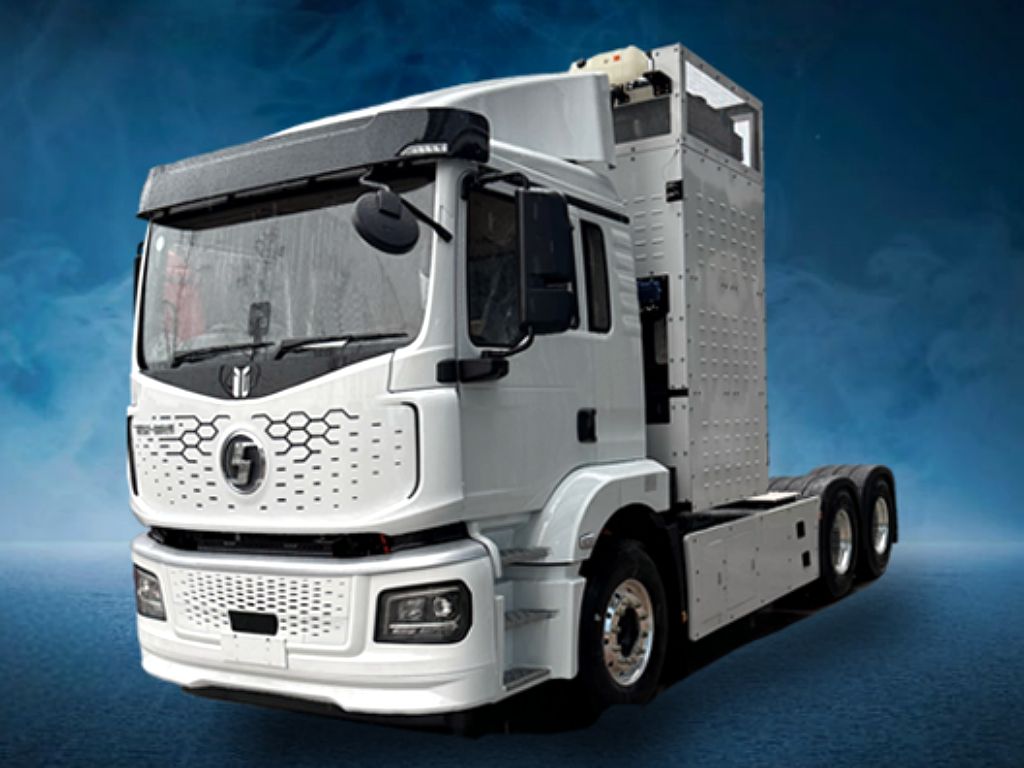
Foton Mobility Distribution and sister company, KRW Hydron join the HTF.
read more
New forum established to promote hydrogen transport solutions in Australia.
read more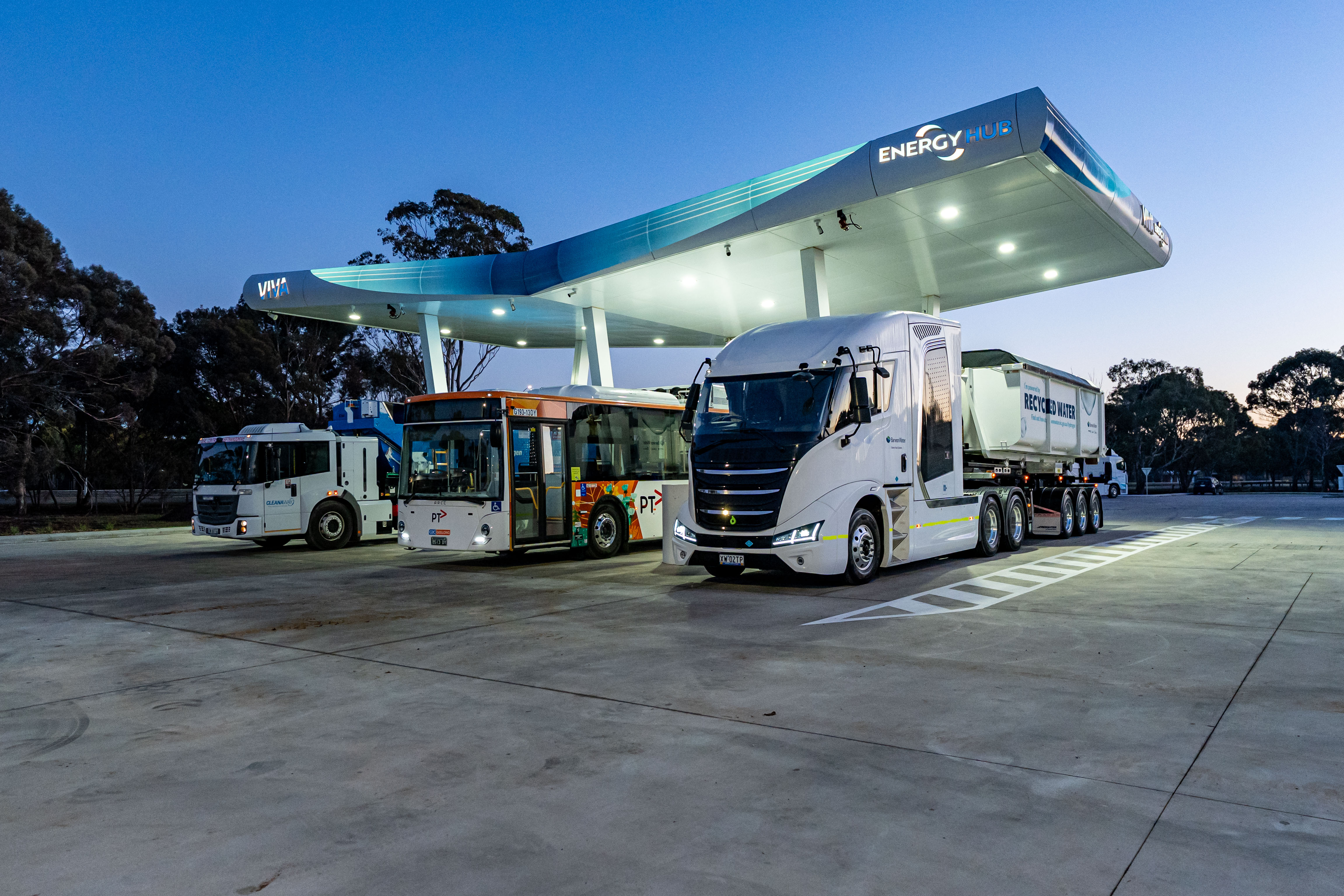
The new Hydrogen Transport Forum white paper examines how hydrogen-powered transport is progressing globally and what Australia can learn from successful commercial deployments.
read more
Have a question for the Hydrogen Transport Forum? Get in touch.